Key takeaways
- Tesla has started rolling out FSD v15. It promises better sign, pothole and school-zone handling, a new “Reality View” visualization and a “25x” better critical intervention rate.
- Tesla gives only the multiplier, not the real number, and v15 makes driver monitoring less strict in higher-speed profiles while it also slows FSD down for speed cameras.
- My view: a list of fixes is also a list of what FSD still gets wrong after years of being sold as “full self-driving”. 25 times better than what, Tesla?
Tesla has started rolling out Full Self-Driving v15, with improved detection of road signs, potholes and debris, better speed handling in school zones, a new live visualization called Reality View and a claimed 25x improvement in the critical intervention rate. Tesla did not publish the underlying intervention number and did not say which cars get v15 first.
In this article: A list of fixes is a list of confessions · 25 times better than what? · Slows for cameras, relaxes for drivers · The pretty screen is real · What this means for you · My prediction · FAQ
Read next: “Cars will remain at AI4.” Musk just gave the new chip to a robot
Read next: Tesla FSD’s EU vote slips again. If it fails, owners who paid could lose it
A list of fixes is a list of confessions
Read the v15 release notes slowly. Better detection of road signs. Better detection of potholes. Better speed handling in school zones. Better handling of standing water, debris, small animals. Every line is an improvement, sure. But every line is also an admission of what “Full Self-Driving” still did not do properly until now.
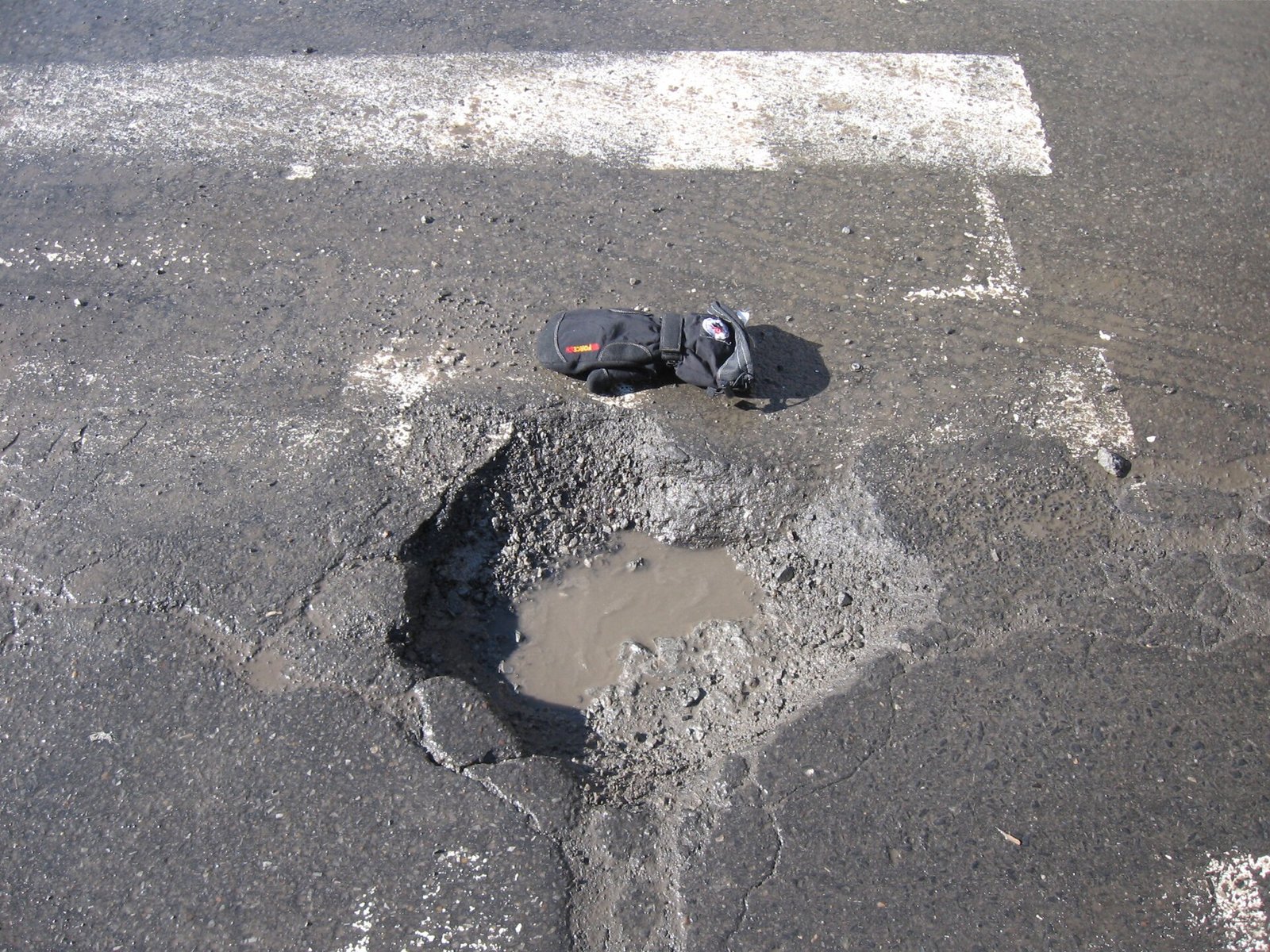
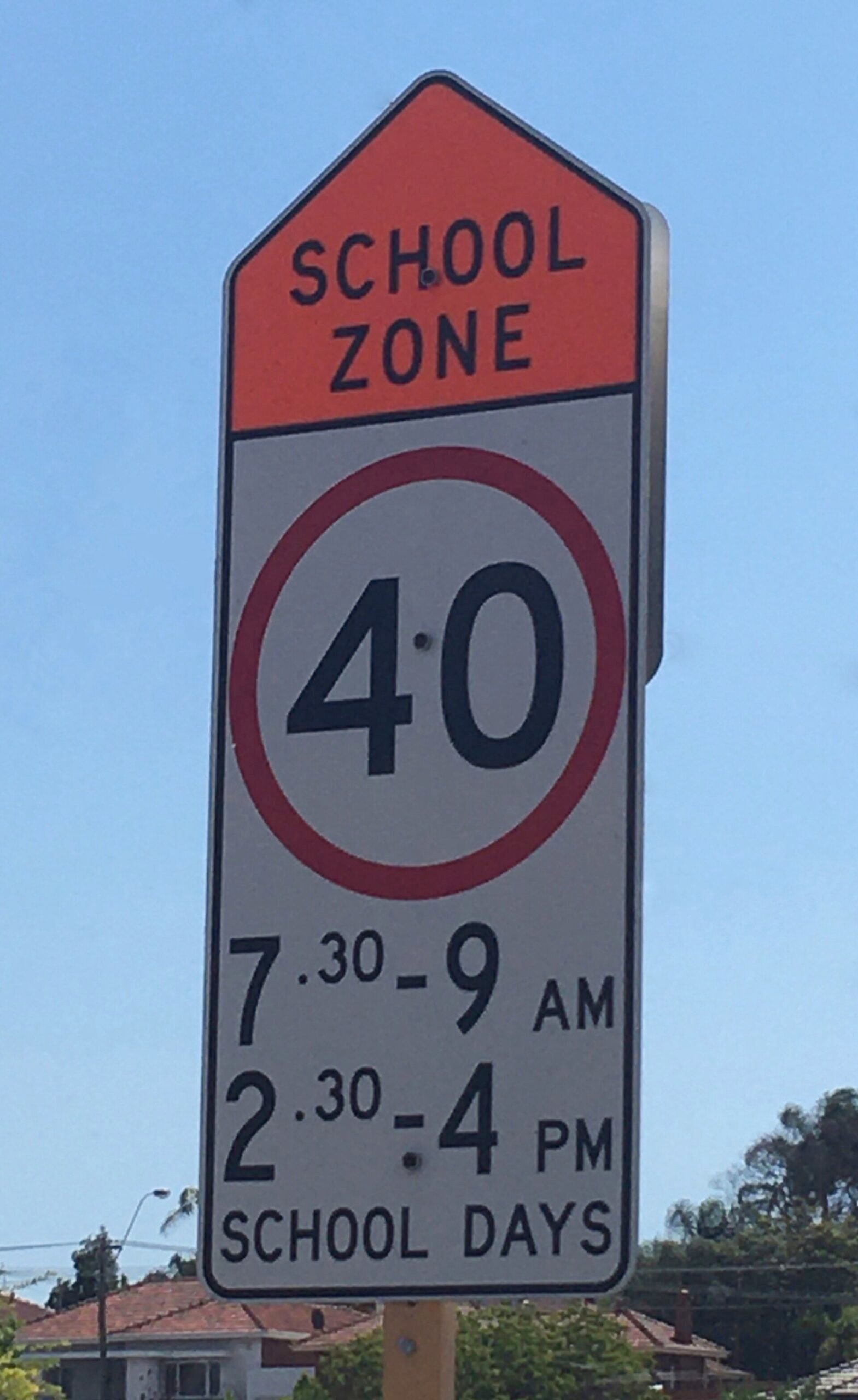
Potholes? Musk promised pothole avoidance back in 2019. In a test published in September, FSD sped through 55% of the 30 km/h zones it drove, because it didn’t read the sign. These are not exotic edge cases. These are things every driving school teaches in the first week. And people paid thousands of dollars for a system that is only now “improving” them.
25 times better than what?
The headline number is “25x better handling of safety critical cases”. Tesla says the new vision encoder improves the critical intervention rate by 25x. Nice. But 25 times what? Tesla doesn’t publish the base number. Without it, 25x can mean a lot or almost nothing.
It’s like a shop that puts “75% more” on a box and never tells you more than what. I’ve said it many times: Tesla shows the numbers that look good and hides the rest. If v15 is really that much safer, publish the miles between critical interventions, the same way other companies publish their data. Until then, it’s marketing with a decimal point.
| FSD weakness | What v15 promises | Since when owners waited |
|---|---|---|
| Misread speed signs | Improved detection of road signs | A 2026 test: speeding in 55% of 30 km/h zones |
| Potholes | Improved pothole detection | Musk promised it in 2019 |
| School zones | Improved speed handling in school zones | NHTSA is reviewing a petition |
| Speed cameras | FSD slows down for speed cameras | New in v15 |
| Driver monitoring | Less strict in higher-speed profiles | Europe is going the other way |
Slows for cameras, relaxes for drivers
Two details in v15 tell me more than the whole list. First, FSD will now slow down for speed cameras. Think about what that means: when there is no camera, the car may drive faster than the limit. Electrek noticed the same thing. That is not safety. That is avoiding the ticket.
Second, Tesla is “decreasing strictness” of driver monitoring in higher-speed profiles, while in Europe it is tightening monitoring because regulators asked. I wrote when Italy approved FSD that the European version shows a safer FSD was possible. Now the US version goes the other direction. Same car, same software, different safety level depending on who forces Tesla to care.
The pretty screen is real
Let me be fair. The new Reality View looks impressive in Tesla’s video. A detailed, rendered picture of the street, and you can see and adjust what FSD plans to do. If that works, supervising the car gets easier, and that is a real improvement for the driver.
But a beautiful screen is not the same as a safe drive. Every FSD version arrived with big words. Musk said v12 and v14 would change everything. When v14 came, it brought brake stabbing and speeding before it got better, and owners are still supervising. Now v15 has to deliver what v14.3 was supposed to.
What this means for you
If you own a Tesla with FSD: treat v15 like a new driver in your car, not a better one. Watch it closely in exactly the places it promises to fix, school zones, low speed limits, bad roads. Keep your eyes on the road even if the new monitoring lets you look away.
If you are thinking about paying for FSD: wait for real independent data, not a multiplier. You can always buy it later. You can’t get your money back if the next “big update” again goes two steps forward and one back, as owners in Korea learned the hard way.
My prediction
Within weeks we will see v15.1 and v15.2, some things will get better, some will break, and Tesla will still not publish the base number behind 25x. Musk will call one of the next point releases “the one”. And FSD will stay supervised in 2027.
Tesla is good at making a screen look like the future. Driving like the future is a different job. I will be happy to be wrong, but this time I want numbers, not a multiplier.
Also on Evolt News: Tesla FSD approved in Italy · Cybertruck turns tighter, 2027 trucks only · Musk had nothing to say in Argentina
Featured image: Ethan Llamas / Wikimedia Commons (CC BY-SA 4.0).
This article is opinion.
Tesla FSD v15: FAQ
What is new in Tesla FSD v15?
Tesla says v15 upgrades the end-to-end driving network, improves detection of road signs, potholes, debris and small animals, improves speed handling in school zones and bad weather, adds Reality View, slows down for speed cameras and adds Bike Rack Mode.
What does “25x” mean in FSD v15?
Tesla says the new vision encoder improves the critical intervention rate by 25x. It has not published the underlying number of miles between critical interventions.
What is Tesla Reality View?
Reality View, also called Tesla Augmented Reality in the release notes, is a live, detailed visualization of the drive that shows what FSD plans to do and lets the driver adjust it.
Is FSD v15 unsupervised?
No. FSD remains a supervised driver-assistance system, and the driver must stay attentive.
Which cars get FSD v15?
Tesla has not said which vehicles get it first. It previously told investors that its AI4 (HW4) computer is enough to run v15.
Does FSD v15 change driver monitoring?
Yes. Tesla says monitoring works more often with hats and sunglasses, and it is decreasing strictness in higher-speed driver profiles.
Sources: Tesla, Electrek.
Our Take
Tesla is rolling out FSD v15 with better sign, pothole and school-zone handling, a new Reality View and a claimed 25x better critical intervention rate, but without the base number.
The way I see it, the fix list shows how much “Full Self-Driving” still couldn’t do. Slowing down for speed cameras while relaxing driver monitoring is not safety. Publish the real data, Tesla.