Key takeaways
- Emails obtained by Reuters show Tesla pushed the Dutch regulator RDW to scale back its review of FSD (Supervised).
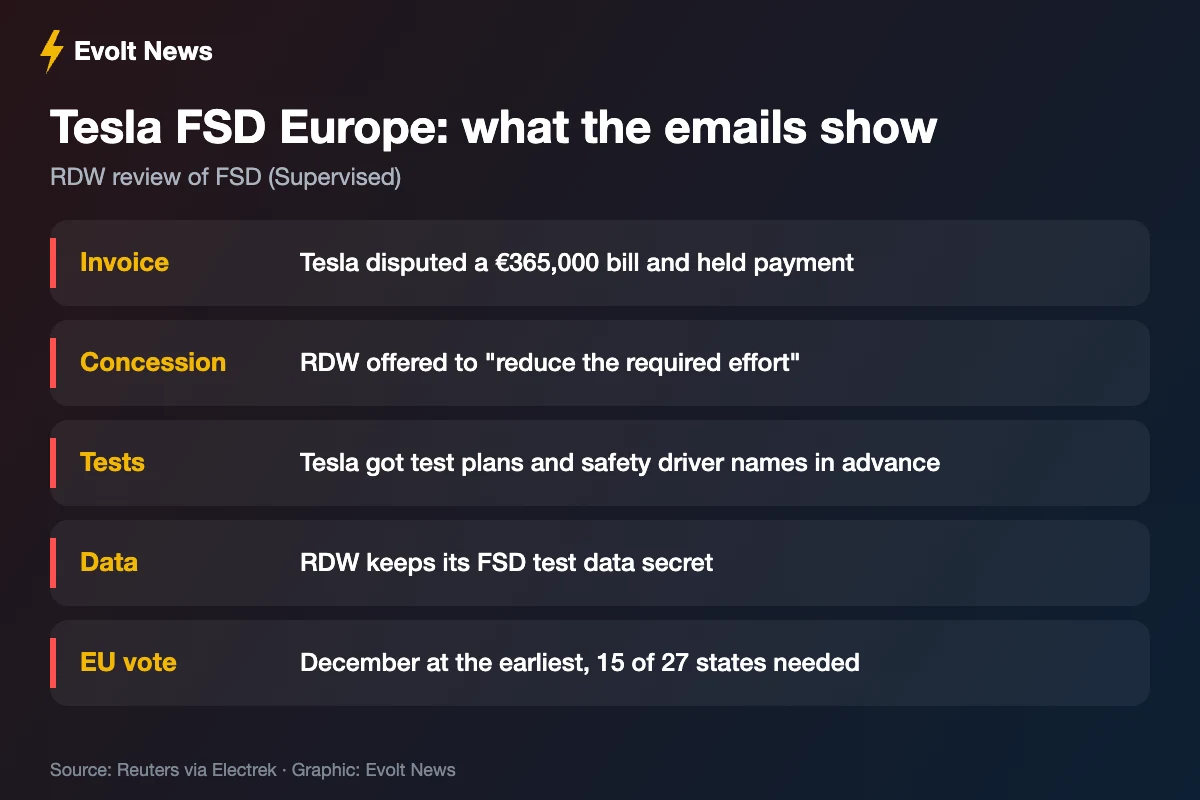
- Tesla disputed a €365,000 bill, and RDW later offered to “reduce the required effort”. The test data stays secret.
- My opinion: no published safety data, no approval. The EU should say no in December.
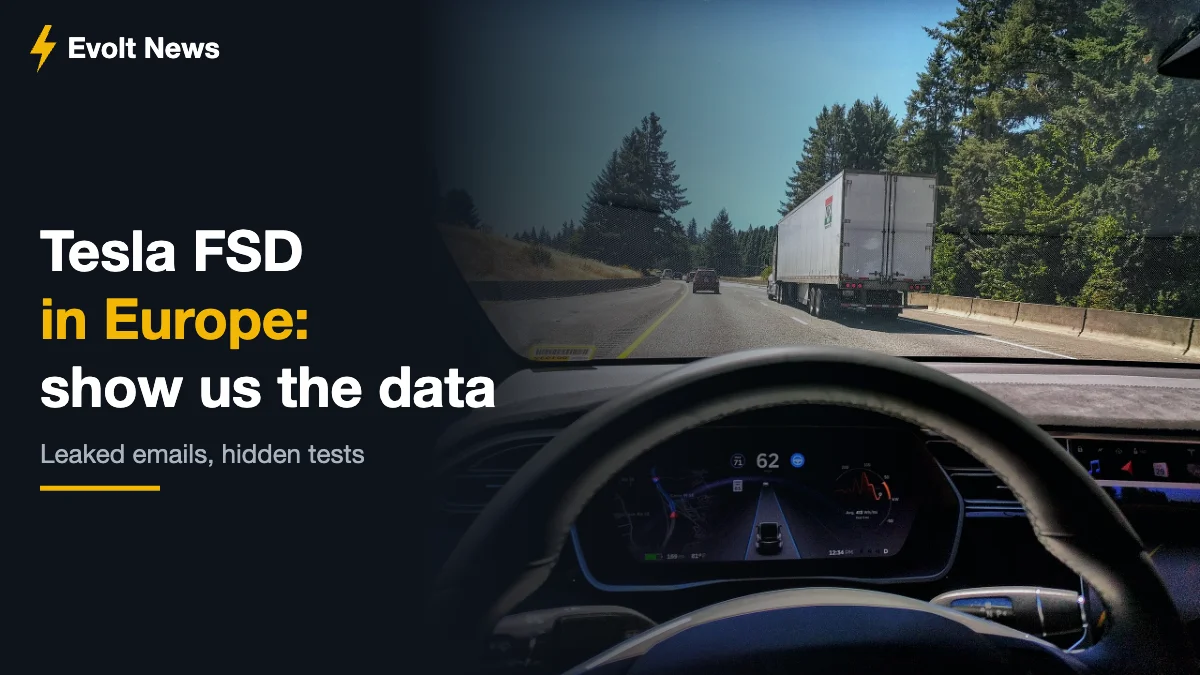
Tesla FSD Europe approval now rests on one review, and that review just lost a lot of trust. Emails obtained by Reuters, as reported by Fred Lambert at Electrek, show Tesla spent months pushing the Dutch vehicle regulator RDW to scale back its review of “Full Self-Driving (Supervised)”. RDW approved the system anyway and now wants the whole EU to follow.
I read the whole story, and honestly, it fascinates me what Elon Musk allows himself. He keeps telling everyone how good his technology is and how much good it does. But when people ask for the data, suddenly it is a trade secret.
In this article: What the Tesla FSD Europe emails show · Should a carmaker pay the regulator? · A €365,000 fight at a $95 billion company · Hidden data and “trade secrets” · “Delaying FSD will cost lives” · Fans as a lobbying army · Should the EU approve FSD in December? · FAQ
What the Tesla FSD Europe emails show
Reuters got hundreds of pages of correspondence between Tesla and regulators in seven European countries through public-records requests. The Dutch part is the most telling.
In November 2024, a Tesla staffer told RDW that starting tests by the end of the month was “mission critical” for Tesla’s leadership, and that leadership would “measure the goodwill” of the regulator by that date. Tesla also wanted its own test reports to count instead of RDW inspectors watching the tests, asked for the test plans and the names of the safety drivers in advance, and pushed back on a meeting about its over-the-air updates. RDW agreed to much of it and talked about “shared goals and objectives” with Tesla.
RDW says none of this compromised its independence. But it redacted large parts of the emails and still will not publish its own FSD test data, citing Tesla trade secrets.
Should a carmaker pay the regulator?
In Europe, carmakers pay the regulator’s costs for these reviews. To me, that is not normal at all. When you pay for the check, the check is no longer fully transparent. Fine, the rules are the rules. But then what interests me is simple: after the check, will the Dutch authorities at least publish some data? Or will it look like one side paid and the other side let it through? I am curious.
A €365,000 fight at a $95 billion company
In April 2025, Tesla called RDW’s €365,000 invoice for five months of work an “extremely high cost” and held payment until it got an hour-by-hour breakdown for every RDW employee. It also did not want to pay for five RDW staffers to visit Giga Berlin.
Something smells here, and I am sure it is not about the money. In my opinion, it is about power. It feels like Musk saying: I will not pay, I will do it my way, take it or leave it, I have the money. A company that earns tens of billions complaining about a bill like this is laughable. I do not think anyone believes it was about saving costs.
A week after that complaint, an RDW staffer invited Tesla to suggest how the regulator “might adjust or reduce the required effort moving forward.” For me, this is another mystery. When the regulator itself offers to do less, I worry that nobody ever checked FSD properly, and nobody has proven how safe or unsafe it really is.
Hidden data and “trade secrets”
After so many years, Tesla still does not show real data and blacks out everything else. In my opinion, only Musk can do that, stay one of the richest people in the world, do whatever he wants and keep leaning on weak arguments. That is what the whole Tesla team seems to be good at.
Should safety data be hidden as a trade secret? No. What are we even talking about? This is our safety. Who talks about trade secrets here? Only Musk. I think it is about something more. I believe the data would show that FSD is not as safe as Musk claims all over the world, and maybe worse than we can imagine. Some people believe the opposite, but I am sure the picture is not that rosy.
Remember that Tesla reported a record 207 Autopilot and FSD crashes to US regulators in a single month earlier this year. And when a Tesla runs over animals at night, it is the same story: silence. I wrote about that pattern in Tesla Robotaxi at night and again after the Tesla Cybercab crash in Philadelphia.
“Delaying FSD will cost lives”
Tesla’s European safety study, which it calls one of the key pieces of evidence behind the Dutch approval, measured things like honking, blinker use and hard braking instead of crashes. Seven traffic-safety researchers told Reuters the FSD sample was far too small, and the cars were driven by Tesla’s own professional test drivers. Tesla’s own fine print says the results are not “causal estimates”.
And yet Musk told the French transport minister that “delaying the approval of FSD in France will cost lives.” In my opinion, that is one of the most absurd things he has said. Elon, look at how many crashes your cars have. Lately you seem far too arrogant and too sure of yourself, at least until the stock falls and you start blaming everyone except yourself.
When you talk about lives, it shows you are thinking about money. Tesla’s European sales fell 28% last year, so something has to happen fast. Hats off, as a businessman you are truly bizarre. Is Tesla some kind of vaccine against a disease, that a car should play the role of saving lives? Thank God it is not allowed everywhere in Europe yet.
Fans as a lobbying army
Musk asked customers at last year’s shareholder meeting to pressure European regulators, and a Tesla account on X linked owners to RDW’s contact form. Regulators in Sweden and Norway got flooded with emails repeating the “lives saved” line, and the French minister’s X account filled with posts blaming him for road deaths. Two months after saying no, he had a video call with Musk and now talks about “working closely” with Tesla.
I have the feeling that whenever something goes wrong, Musk sends his army of fans to push, instead of thinking about how to go the legal way. He can do what he wants at home, but not bend the rules of other countries. It fascinates me that the EU did not stop this right away, and that eight countries already allow FSD. I cannot explain it. If Tesla will not give the data to the Netherlands, it surely did not give it to the others either. So I really want to know what those “independent” people based their decision on. A few thousand miles? That is a little scary.
And to the people who attacked the regulators: use your own heads. Even if you like Musk, look at how unsafe Tesla has been lately. Today on the internet you can say almost anything and have an army follow you. People do not want to see the numbers. They just keep saying it is amazing. To me it is not, and it often feels like no rules apply to people like Musk.
Would I use FSD if it were approved everywhere? Definitely not. I do not even need it. It is getting worse and worse with Tesla. I would rather see more room on the market for companies that keep things under control and are open with their data, not Tesla, which hides God knows what and calls it a trade secret. For the bigger question of responsibility, see who is to blame in a self-driving car crash.
Should the EU approve FSD in December?
No. That is my hard position. Approval needs 15 of 27 member states representing 65% of the EU population, and Germany, Italy and Spain have not signed on yet. Someone has to start saying no to Musk. Until Tesla opens the data so people can see what is really in it, we should not be asked to trust it blindly just because Musk said so.
What should Tesla do to earn trust? Stop blacking things out, play fair and show the data, even if it is bad. And I believe it is bad. But do not play with people’s lives and then tell the EU that if it does not approve FSD, it is not saving lives.
How can one person lead a company like Tesla and be so many things at once? Genius, and at the same time so arrogant. Until there is data, the answer for FSD (Supervised) should be clear and loud: no data, no approval.
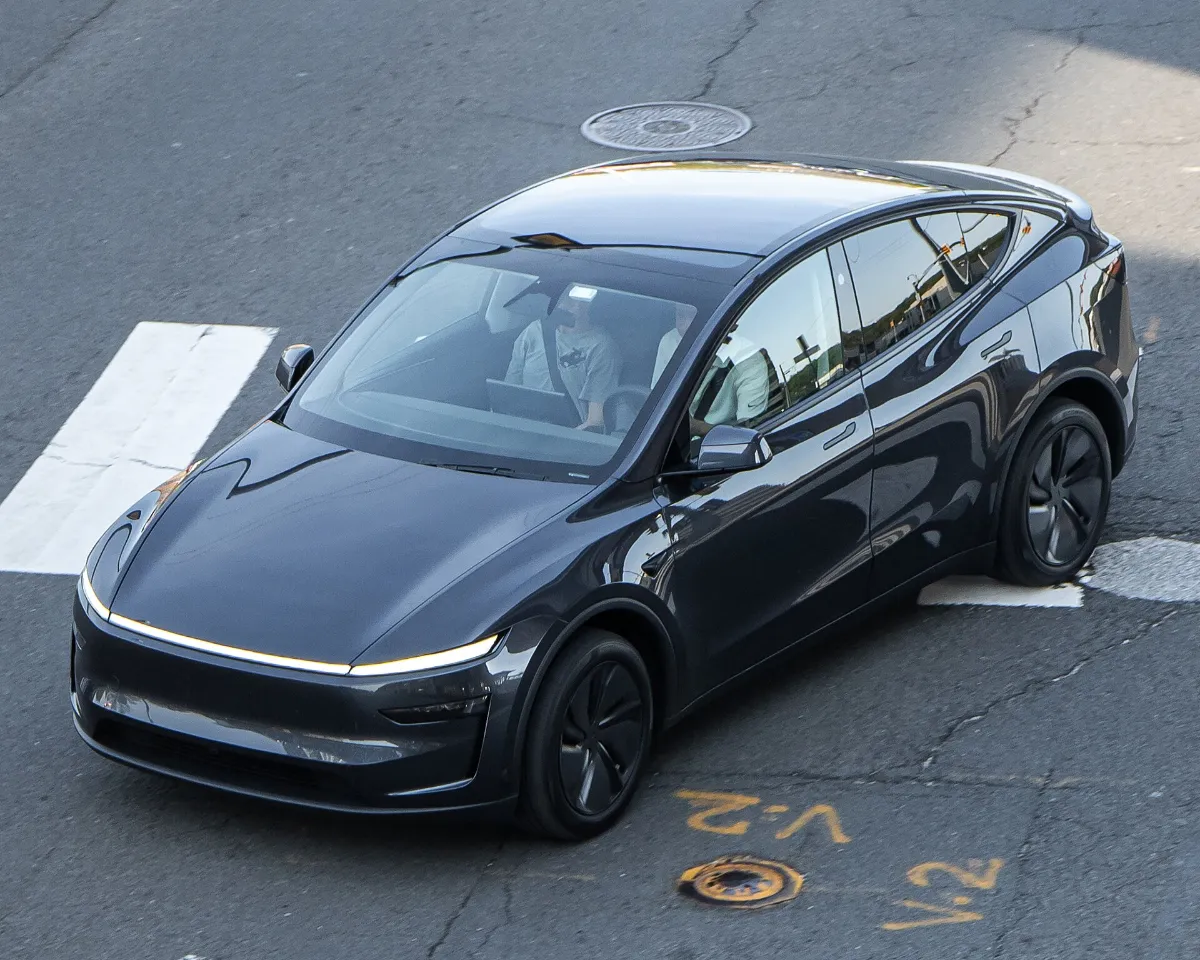
Featured photo: Ian Maddox, CC BY-SA 4.0, via Wikimedia Commons
Tesla FSD Europe: FAQ
Is Tesla FSD approved in Europe?
FSD (Supervised) is approved by the Dutch regulator RDW and allowed in eight EU countries. An EU-wide vote is expected in December at the earliest.
What did the Tesla emails show?
Reuters found Tesla pushed RDW to scale back its review, disputed a €365,000 bill and got test plans and safety driver names in advance.
Why does Tesla pay the regulator?
European rules require carmakers to cover the regulator’s costs for type-approval reviews.
Has RDW published its FSD test data?
No. RDW says the data includes Tesla trade secrets.
How many countries must approve FSD for the EU?
At least 15 of 27 member states, representing 65% of the EU population.
Sources: Reuters, Electrek (Fred Lambert).
Our Take
A regulator that offers to do less after a billing fight should not decide for 450 million people.
In my opinion, “trade secret” is just an excuse. This is about our safety, and safety data belongs to the public.
No data, no approval. The EU should say no in December until Tesla opens the numbers.